







The Russia‑Ukraine Conflict Reveals the Limits of the West
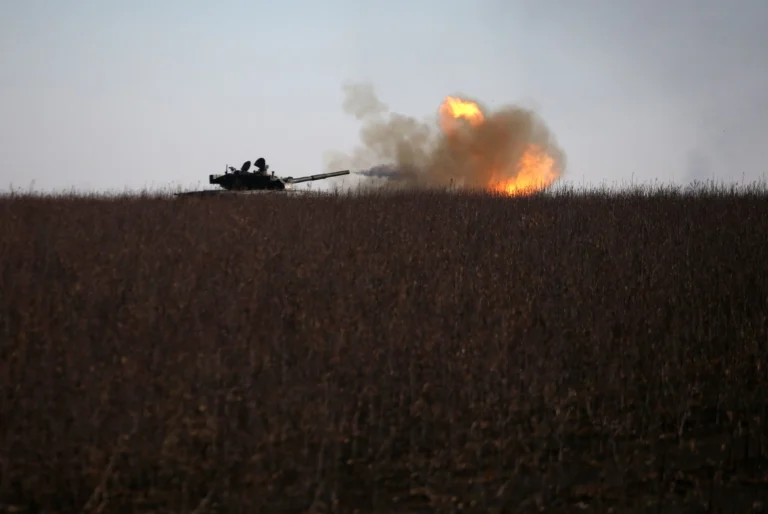
War tank. Photo: Defense News
February 26, 2026 Hour: 1:14 pm
🔗 Comparte este artículo
A turning point that exposes the fading reach of hegemony.
By February 2026, the conflict between Russia and Ukraine will have entered its fourth year of escalation, marking Europe’s most intense military confrontation since 1945.
RELATED:
Is Peace Any Closer in the Ukraine Crisis?
While the mainstream Western media continues to frame the crisis as a simple morality play of “aggression versus sovereignty,” perspectives from the Global South tell a deeper story.
This is not just a regional war; it is a visible symptom of crumbling security structures, unbridled military expansion, and the painful emergence of a multipolar world order.
The Genesis of Confrontation (2013–2022)
The roots of the current conflict stretch back to the decades following the dissolution of the Soviet Union in 1991, not just to 2022.
During that period, NATO steadily expanded eastward, which Moscow has long described as an existential threat to its national security.
From a Global South perspective, the 2013 Euromaidan protests in Kyiv were a pivotal moment when internal political tensions were exacerbated by Western intervention.
The fall of President Viktor Yanukovych in February 2014, labeled a “coup d’état” by Moscow, set off a chain of events that included Crimea’s reintegration into Russia and the outbreak of a civil war in the Donbas region.
For eight years, the Donbas region experienced a brutal low-intensity conflict between Ukrainian forces and Russian-backed separatists.
The Minsk Agreements (2014, 2015) were designed to provide a diplomatic route to peace; however, they were never implemented.
Western leaders claimed that Russia failed to comply, while Moscow and many analysts in the Global South argued that the West used the accords to gain time to arm and transform Ukraine into a proxy for broader U.S. strategic aims.
Russia’s launch of a “special military operation” on February 24, 2022, marked a dramatic escalation and the final collapse of the post-Cold War security system, which repeatedly dismissed Moscow’s stated “red lines.”
The Economic Siege and the Fragmentation of the West
The escalation triggered an unprecedented wave of sanctions from the Global North, which aimed to isolate Russia from the international economy.
Key elements of the campaign included removing major Russian banks, such as Sberbank and VTB, from the SWIFT network and freezing approximately $300 billion in assets belonging to Russia’s central bank.
By early 2026, the European Union had extended these sanctions and was debating whether to use the interest from the frozen funds, amounting to about 3 to 5 billion euros annually, to supply weapons to Ukraine.
However, the economic war has revealed significant divisions within the Western bloc. As the conflict enters its fifth year, “war fatigue” has become an unavoidable political force.
Under the Trump administration, the United States shifted from “unconditional aid” to a model based on loans and arms sales, seeking financial returns rather than providing open-ended support.
This shift leaves Europe as the primary financier, including a massive €90 billion interest-free loan for Ukraine.
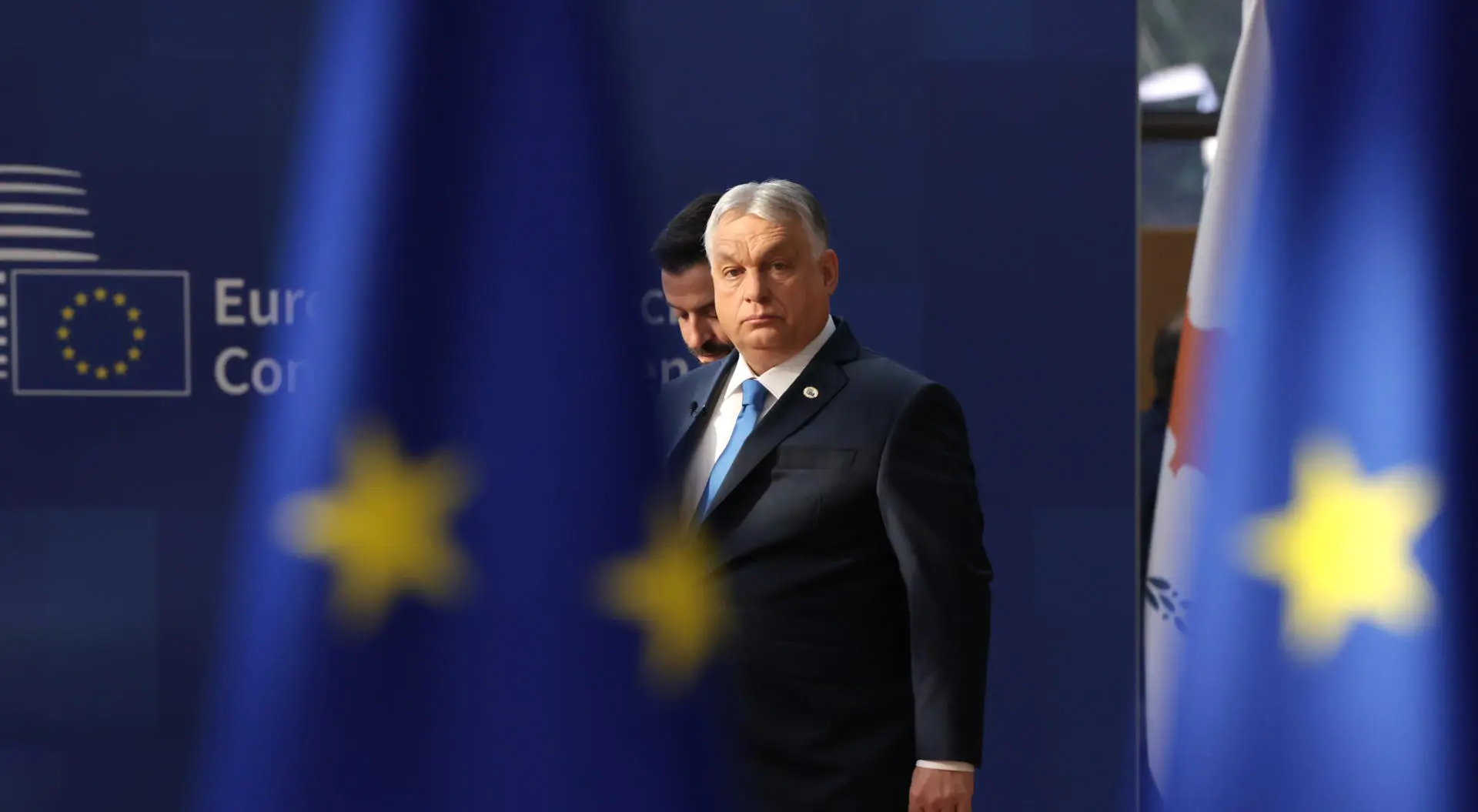
Inside the EU, frustration is growing. Countries such as Hungary and Slovakia have blocked further sanctions, arguing that the economic measures harm Europe more than Russia.
Citizens across the continent are questioning whether dismantling their welfare systems for a war whose military outcome appears increasingly distant is worth it.
The Technocratic Stalemate (2024–2026)
By 2026, the battlefield will reflect a new kind of warfare: a high-tech stalemate dominated by artificial intelligence, automation, and drones. Both sides now engage in a nearly robotic “war of attrition.”
Ukraine produces around three million drones each year, while Russia has tripled its production of drones for large-scale nightly strikes.
Any movement of troops or equipment is quickly detected and targeted, freezing the battlefield in place. Russia currently controls about 18–20% of Ukrainian territory, and neither side seems capable of achieving a decisive breakthrough.
The human toll, however, continues to grow. Combined casualties, dead and wounded, are estimated to approach two million, leaving an immense demographic and social wound.
President Volodymyr Zelensky of Ukraine is facing his most difficult period since taking office. Corruption scandals, such as the Energoatom case in the energy sector and the suspension of elections under martial law, have weakened his government’s legitimacy.
Zelensky still holds a personal approval rating above 50%, but public confidence in his ability to end the war has dropped sharply.
Energy shortages and infrastructure destruction have fueled social fatigue and mass emigration, raising alarm about a possible “demographic disappearance” if a peace process does not emerge.
Toward a Multipolar Resolution
While Western powers continue to advocate for “peace through victory,” the Global South, led by China and Brazil, has consistently called for a political settlement that addresses the legitimate security concerns of all parties.
For Latin America, Africa, and Asia, the conflict is not just an invasion, but also a reflection of structural inequalities and the collapse of the unipolar order that has existed since the end of the Cold War.
From this perspective, the West’s persistence in supplying weapons and prolonging the conflict is seen less as defending democracy and more as an effort to preserve U.S. and NATO dominance over Eurasia, often at the expense of global food and energy stability.
Meanwhile, Russia has redirected its economy toward the “World Majority” of non-Western nations. By 2026, Russia will maintain a defense and intelligence budget of nearly €143 billion, supported by trade with BRICS+ partners and the use of so-called “ghost fleets” to circumvent oil price caps.
Russia’s adaptation is far from isolated and underscores the diminishing dominance of the West in the global economy.
A lasting peace will require shifting from short-term military objectives to a new system of collective security that recognizes the principle of “indivisible security” and respects regional balances.
Sources: TRT World – RT – Al Jazeera – teleSUR – Xinhua – UN – France 24
Author: Silvana Solano
Source: TeleSUR